


Improving your home's HVAC efficiency is crucial for reducing energy costs and enhancing overall comfort. By scheduling regular maintenance, optimizing thermostat settings, sealing and insulating, and investing in energy-efficient equipment, homeowners can achieve significant savings. Cleaning ducts ensures proper airflow, while smart home technology offers precise control. These strategies not only benefit the wallet but also contribute to a sustainable environment. Discover how these steps can transform your HVAC system's performance.
Schedule Regular Maintenance Checks
Regular maintenance is the cornerstone of ensuring HVAC systems operate at peak efficiency. By scheduling consistent checks, homeowners join a community dedicated to comfort and sustainability.
This practice not only extends the lifespan of the equipment but also fosters a sense of security, knowing that potential issues are identified before they disrupt the harmony of the household.
Technicians inspect key components such as filters, coils, and blowers, ensuring they function optimally. This proactive approach helps prevent unexpected breakdowns and reduces energy costs, contributing to a more environmentally aware lifestyle.
Being part of a group that values regular maintenance creates a shared commitment to efficiency and care. In this way, individuals feel connected to a larger movement focused on preserving comfort and reducing energy waste.
Optimize Thermostat Settings
After ensuring that routine maintenance keeps HVAC systems in top condition, attention shifts to optimizing thermostat settings.
Adjusting the thermostat wisely can significantly enhance energy efficiency and create a comfortable living environment. Setting the thermostat to 68 degrees Fahrenheit in winter and 78 degrees in summer is recommended, as these temperatures balance comfort and energy savings.
Additionally, utilizing a programmable thermostat allows for automatic adjustments, aligning energy usage with daily schedules. By lowering the temperature when the home is unoccupied or during sleep, households can reduce energy costs without sacrificing comfort.
Emphasizing community and shared responsibility, homeowners can collectively make informed choices, knowing they contribute to energy conservation efforts. Such practices not only foster individual savings but also support broader ecological goals.
Seal and Insulate Your Home
A well-sealed and insulated home serves as the foundation for optimal HVAC efficiency. When drafts are minimized and insulation is properly installed, a home becomes a cozy haven, allowing the HVAC system to function without overexertion. This not only maintains comfortable temperatures but also creates a welcoming environment, symbolizing care and attention to detail.
Homeowners can start by examining areas prone to leaks, such as windows, doors, and attic spaces, and applying weatherstripping or caulking where needed. Insulating walls and ceilings further ensures temperature stability, fostering a sense of security and connection within the home.
Upgrade to Energy-Efficient Equipment
Investing in energy-efficient HVAC equipment significantly enhances a home's overall energy performance. By upgrading, homeowners can join a community of forward-thinking individuals committed to sustainability and cost-effectiveness.
Modern HVAC systems are designed to consume less energy while maintaining optimal indoor comfort levels, fostering a sense of belonging to an environmentally-conscious society. These units often come with advanced features such as programmable thermostats and variable-speed motors, allowing for precise temperature control and reduced energy wastage.
Additionally, energy-efficient models frequently qualify for government incentives or rebates, making the initial investment more appealing. By choosing to upgrade, homeowners not only reduce their carbon footprint but also align themselves with peers who prioritize responsible energy consumption, ultimately fostering a shared commitment to a greener future.
Improve Airflow and Ventilation
Enhancing airflow and ventilation is crucial for maximizing HVAC efficiency. Proper airflow ensures that air circulates evenly throughout the home, reducing the strain on the HVAC system. A clean and unobstructed path for air can prevent the system from overworking, which conserves energy and lowers costs.
Residents can achieve this by regularly cleaning air ducts and replacing filters. Ensuring that furniture and drapes do not block vents can also significantly improve airflow.
Ventilation plays a pivotal role in maintaining indoor air quality. By allowing fresh air to circulate, it reduces the concentration of pollutants and allergens, fostering a healthier living environment.
Installing exhaust fans in areas prone to moisture, like kitchens and bathrooms, can prevent mold growth and enhance the overall comfort of the home.
Utilize Smart Home Technology
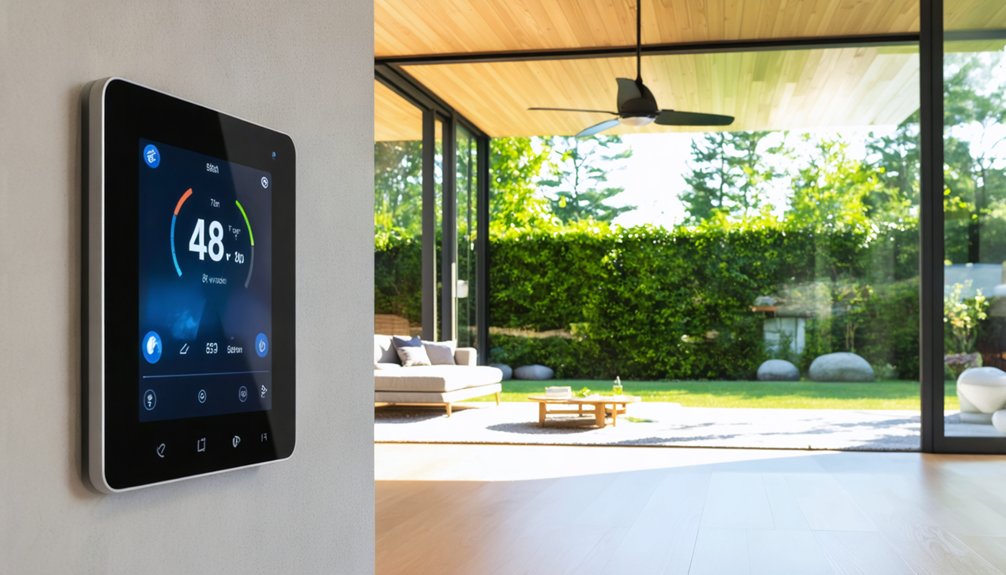
Smart home technology significantly enhances HVAC efficiency by providing precise control over heating and cooling systems. Homeowners can integrate smart thermostats that learn daily routines, automatically adjusting temperatures to optimize comfort and save energy.
This fosters a sense of community among users who embrace modern solutions, sharing tips and experiences. Smart sensors detect occupancy and adjust settings accordingly, ensuring that energy isn't wasted heating or cooling empty spaces.
These systems also allow for remote control via smartphones, offering convenience and control even when away from home. By joining the smart home movement, individuals not only contribute to a more sustainable environment but also connect with a network of like-minded people who value innovation and efficiency in their living spaces.
In Conclusion
In conclusion, enhancing a home's HVAC efficiency and reducing energy costs requires a multifaceted approach. Regular maintenance checks are crucial for optimal system performance and longevity. Adjusting thermostat settings and investing in programmable models provides energy savings through precise temperature control. Sealing leaks, insulating effectively, and ensuring proper airflow contribute to stable indoor climates. Additionally, upgrading to energy-efficient equipment and integrating smart home technology offer further benefits, combining convenience with cost-effective solutions for modern homeowners.